
Table of Contents
- Introduction: Why Right Tools Matter
- Essential Electrical Troubleshooting Tools of 2025
- Expert Techniques for Efficient Troubleshooting
- Tools for Maintenance: Beyond Troubleshooting
- Safety and Ergonomic Considerations
- How to Choose the Best Tools for Your Needs
- FAQs on Electrical Tools and Troubleshooting
- Conclusion & Next Steps
Introduction: Why Right Tools Matter
Electrical troubleshooting and maintenance are critical tasks that keep homes, businesses, and industries running safely and efficiently. Using the right tools not only increases accuracy and speed but also ensures safety for the technician and the equipment. This comprehensive guide addresses the question: What are the best tools for electrical troubleshooting and maintenance in 2025? Readers will gain expert insights, practical tips, and reliable tool recommendations tailored for professionals and DIYers in Bangladesh.
Essential Electrical Troubleshooting Tools of 2025
To diagnose electrical faults accurately, every electrician or technician should have a reliable set of tools calibrated to the latest standards:
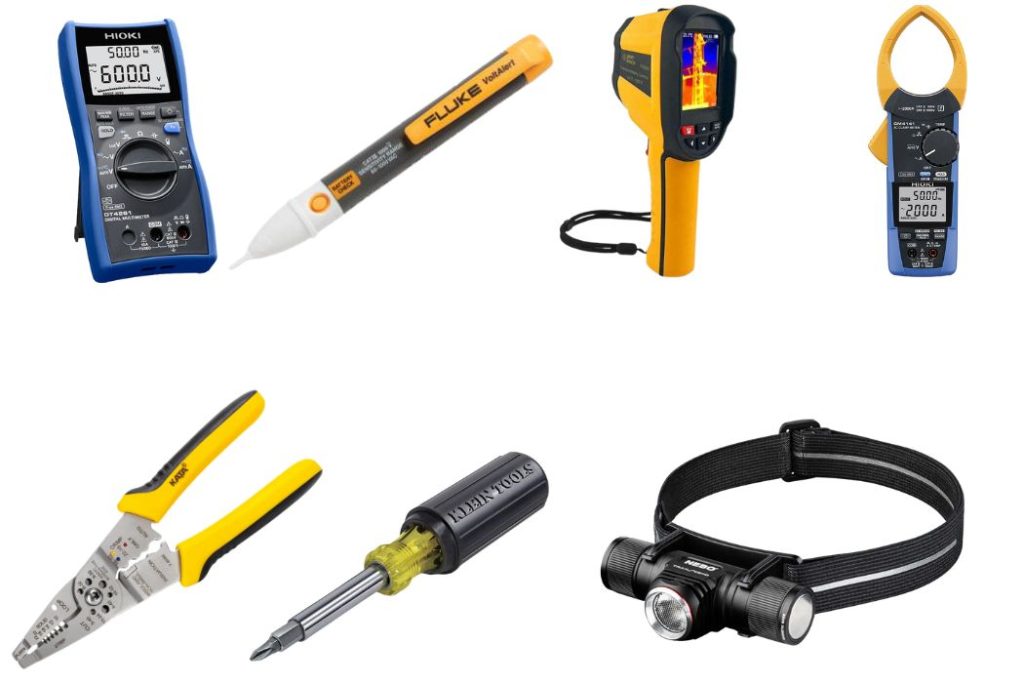
- Digital Multimeter (DMM): Measures voltage, current, resistance, and continuity. True-RMS feature models like the Klein CL800 ensure precision in AC/DC readings.
- Non-contact Voltage Tester: Allows detection of live wires quickly and safely without direct contact.
- Thermal Imaging Camera: Visualizes heat patterns to detect overheating components or loose connections, reducing guesswork and preventing failures.
- Clamp Meter: For measuring current flow without breaking the circuit, ideal for load checks and live circuits.
- Outlet Tester: Checks common wiring problems such as open grounds and reversed polarity in outlets instantly.
- Wire Strippers and Crimpers: Multi-functional tools for preparing wires with precision and making secure connections without damage.
- Screwdrivers & Nut Drivers: Insulated and ergonomically designed for safer and efficient panel access and component servicing.
- Flashlight or Headlamp: Ensures visibility in dark, confined electrical panels or crawl spaces.
- Insulated Gloves: Protect against electrical shocks during live circuit work.
These tools combine to cover safety, diagnostic accuracy, and operational efficiency for troubleshooting a variety of electrical problems.
Expert Techniques for Efficient Troubleshooting
Troubleshooting is as much about technique as it is about having the right equipment:
- Divide and Conquer Method: Isolate sections of a circuit step-by-step to isolate the fault. This reduces guesswork and prevents unnecessary disassembly.
- Hopscotch Method: Systematically test adjacent components to find malfunctions.
- Always check for power presence first and verify all connections before replacing components.
- Use thermal cameras to preempt failures by spotting overheated breakers or equipment.
Experienced electricians incorporate these methods to swiftly identify and resolve issues, saving time and increasing repair accuracy.
Tools for Maintenance: Beyond Troubleshooting
Maintenance tools ensure longevity and reliability of electrical systems:
- Insulation Resistance Tester: For testing insulation integrity on cables and devices.
- Vibration Sensors: Detect abnormal vibrations in motors or generators indicating wear or imbalance.
- Infrared Thermometers: Quick spot temperature checks complement thermal imaging for regular maintenance.
- Oscilloscope & Power Quality Analyzer: Advanced tools for waveform inspection and ensuring power quality, essential in industrial environments.
Regular preventative maintenance using these tools helps avoid downtime and costly repairs.
Safety and Ergonomic Considerations
Safety standards and ergonomic design have a large impact on work quality:
- Always use tools with double insulation and certified safety ratings to prevent electrical shock.
- Ergonomic grips and lightweight designs reduce worker fatigue during prolonged jobs.
- Wear appropriate personal protective equipment (PPE) including gloves, goggles, and safety footwear.
Transforming the tool kit with smart, user-friendly designs enhances both safety and productivity.
How to Choose the Best Tools for Your Needs
Selecting tools requires balancing budget, job requirements, and durability:
- Invest in branded, certified tools with proven track records, such as Klein, Fluke, and Knipex.
- Assess the scope of work: simple home repairs need basic testers, while industrial settings demand advanced analyzers.
- Consider multifunctional tools to reduce carrying load and increase versatility.
- Regularly calibrate and maintain tools for accuracy and safety compliance.
Choosing quality tools upfront reduces long-term costs and downtime.
FAQs on Electrical Tools and Troubleshooting
Q1: Can beginners use thermal imaging cameras?
A: Yes, many models are user-friendly. Basic training improves interpretation of thermal images for safety and accuracy.
Q2: How often should I calibrate my multimeter?
A: Calibration once a year is recommended for professionals to maintain accuracy.
Q3: Are non-contact testers reliable?
A: They are excellent for quick safety checks but should be complemented with a multimeter for detailed diagnostics.
Q4: What PPE is essential during electrical troubleshooting?
A: Insulated gloves, safety goggles, and flame-resistant clothing wear highly recommended to prevent injuries.
Conclusion & Next Steps
Equipping yourself with the best electrical troubleshooting and maintenance tools of 2025 is critical for effective, safe, and efficient work. This guide from Power Tech highlights essential tools, expert techniques, and safety insights to empower you in Bangladesh’s electrical field. Prioritize quality tools combined with sound methods for superior results.
Stay updated with the latest in electrical technologies by subscribing to the Power Tech newsletter. Explore our detailed product reviews and guides for more expert advice on electrical equipment.
Author: Power Tech Team
Published: November 2025
Location: Bangladesh
Read More Informative Article
Hioki Price in Bangladesh—Latest 2025
Electrical Safety Tips Every Technician Must Follow
Difference Between Clamp Meter and Multimeter: Which One Do You Need?
Top 10 Electrical Testing Instruments Every Engineer Should Know